
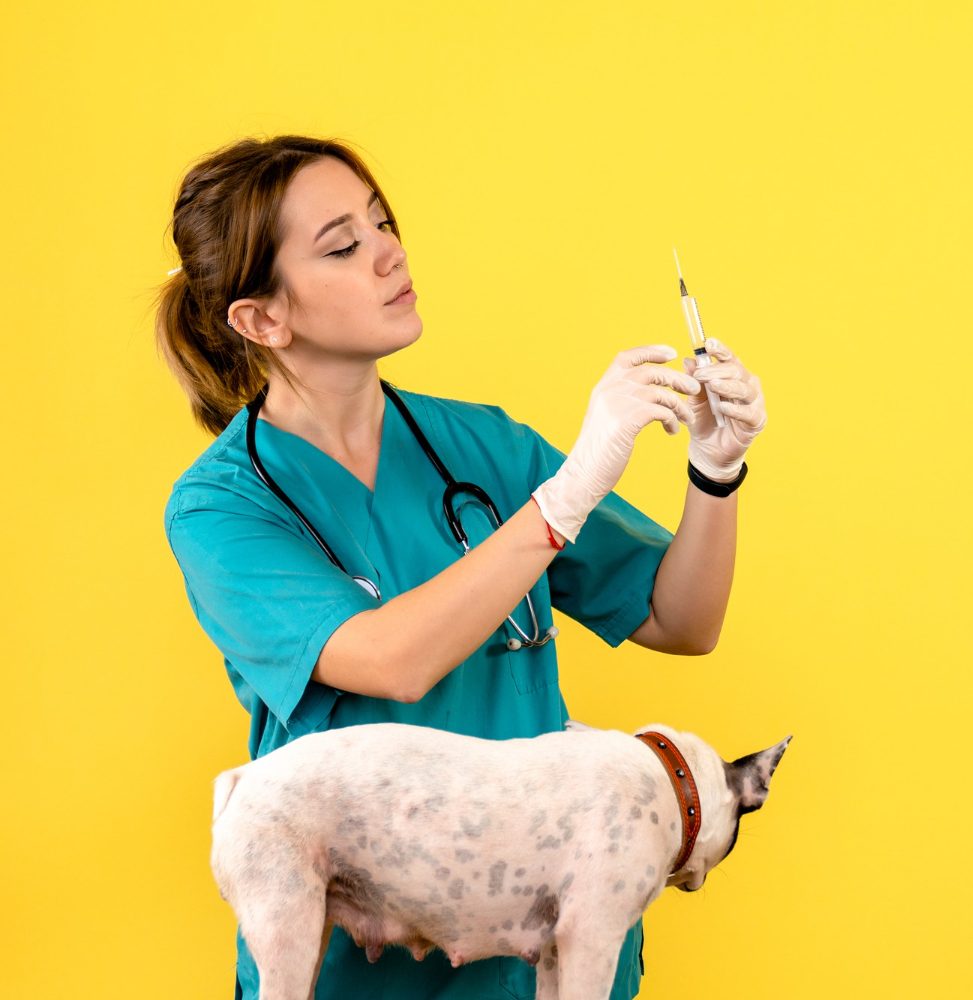
At 101 Pet Vet, our doctors use routine and regular blood testing as an important part of caring for your pet’s long-term health. These tests help us detect changes early, monitor existing conditions, and make thoughtful recommendations for treatment, diet, and ongoing care. Bloodwork may help us evaluate and manage conditions such as:
- Kidney Disease: Kidney values such as BUN (Blood Urea Nitrogen) and creatinine help us evaluate how well the kidneys are filtering waste. Monitoring these values over time can guide diet changes, medications, hydration support, and follow-up care.
- Diabetes: Blood glucose testing helps us screen for diabetes and monitor pets already receiving insulin or other medications, so treatment can be adjusted as safely and effectively as possible.
- Liver Disease: Liver enzymes, including ALT, AST, and ALP, can show signs of liver stress, inflammation, or damage. Early detection allows us to recommend additional testing, medications, or dietary support when needed.
- Thyroid Disorders: Hormone testing helps identify common thyroid conditions, including hypothyroidism in dogs and hyperthyroidism in cats, both of which can affect energy, weight, appetite, skin, coat, and overall comfort.
- Anemia and Infections: A Complete Blood Count (CBC) evaluates red blood cells, white blood cells, and platelets. This can help us detect anemia, infection, inflammation, clotting concerns, and other changes that may not be obvious during a physical exam.
- Parasitic Infections: Blood tests can screen for heartworm disease and tick-borne illnesses such as Lyme disease, helping us catch infections early and recommend appropriate treatment or prevention.
- Adrenal Disorders: Electrolyte panels and hormone testing can help us diagnose and monitor adrenal conditions such as Addison’s disease, supporting more informed treatment and long-term management.
The most common blood tests our veterinarians recommend for cats and dogs include an in-house Comprehensive Panel, often used for pre-surgical screening, sick visits, and senior pets, as well as a more in-depth Senior Panel that is sent to a reference laboratory. When a sample is sent out, the laboratory can provide additional consultation on any unusual findings, giving our doctors more information to support your pet’s care plan. Together, these tests provide valuable insight into the following areas:
Complete Blood Count (CBC)
- Red blood cells (RBC): Carry oxygen throughout the body and help us identify anemia, dehydration, or other blood-related changes.
- White blood cells (WBC): Help the body fight infection. Changes in these cells may point to inflammation, infection, immune concerns, or stress within the body.
- Platelets (PLT): Help blood clot properly and can alert us to possible bleeding or clotting concerns before they become more serious.
Serum Biochemistry Panel
- Kidney tests: Measure BUN (blood urea nitrogen) and CREA (creatinine) to assess how well the kidneys are filtering waste and maintaining healthy body balance.
- Liver tests: Measure enzymes such as ALT and ALKP, which can help identify liver irritation, damage, or disease and may guide additional diagnostics if needed.
- Blood sugar: Checks GLU (glucose) levels to screen for diabetes, low blood sugar, or other metabolic changes.
- Electrolytes: Measures sodium, potassium, chloride, and related values to help us evaluate hydration, kidney function, adrenal health, and overall body stability.
- Other Common Tests
- Thyroid panel: Measures hormone levels such as T4 to help diagnose thyroid disease, which is especially common in senior cats and dogs.
- Heartworm test: A routine screening test, most commonly recommended for dogs, that checks for heartworm infection and helps guide prevention and treatment decisions.
- FELV Test: A fast in-clinic blood test for cats that checks for Feline Leukemia Virus, an important contagious virus that can affect the immune system and long-term health.
- Parvo Test: A quick in-clinic diagnostic test used to detect canine parvovirus antigen, helping our team respond quickly when this serious illness is suspected.